DHCP Allocation: How Dynamic IP Address Assignment Works
DHCP allocation is a fundamental process in modern networking that automatically assigns IP addresses and other network configuration details to devices. Whether you’re managing a home Wi-Fi network or a large enterprise infrastructure, understanding DHCP allocation can help you improve efficiency, scalability, and security. In this guide, we’ll break down how DHCP allocation works, its types, benefits, and best practices for implementation.
What Is DHCP Allocation?
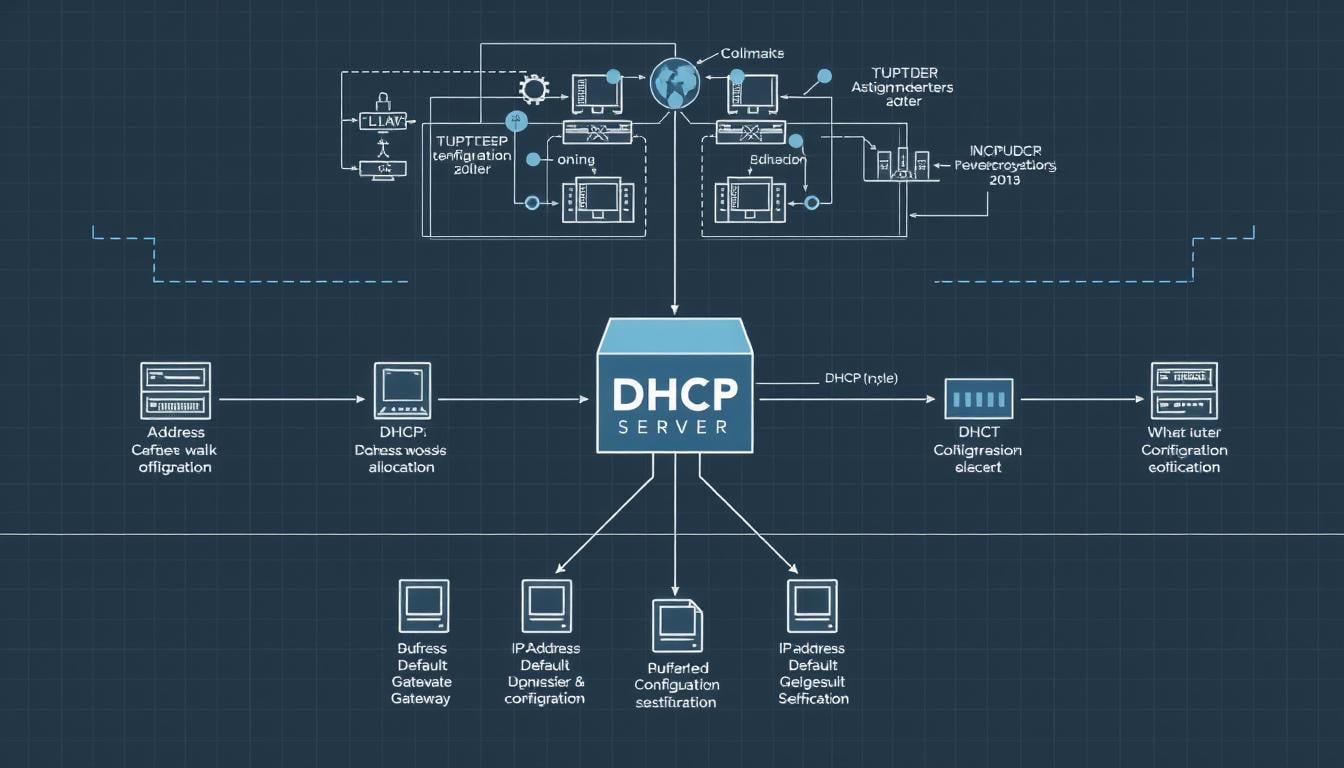
DHCP allocation refers to the process by which a Dynamic Host Configuration Protocol (DHCP) server assigns IP addresses to client devices on a network. Instead of manually configuring each device, DHCP automates the distribution of:
- IP addresses
- Subnet masks
- Default gateways
- DNS server information
This automation reduces administrative overhead and minimizes configuration errors.
How Does It Work?
DHCP allocation follows a standardized process known as the DORA cycle:
- Discover – A client device broadcasts a request to find available DHCP servers.
- Offer – The DHCP server responds with an available IP address and configuration details.
- Request – The client requests the offered IP address.
- Acknowledge – The server confirms the allocation and leases the IP address to the client.
This entire process happens in seconds and requires no manual intervention.
Types of DHCP Allocation
There are three primary types of DHCP allocation methods:
1. Dynamic Allocation
- IP addresses are assigned temporarily (leased)
- Most commonly used method
- IP addresses can change over time
Best for: General networks with many devices
2. Automatic Allocation
- DHCP assigns a permanent IP address to a device
- The same IP is reused whenever the device reconnects
Best for: Networks where devices rarely change
3. Manual (Static) Allocation
- An IP address is assigned based on a device’s MAC address
- Managed through the DHCP server configuration
Best for: Servers, printers, or critical infrastructure
DHCP Lease Time Explained
A lease time defines how long a device can use an assigned IP address.
- Short lease times → better for dynamic environments (e.g., public Wi-Fi)
- Long lease times → ideal for stable networks
When the lease expires, the client must renew it to continue using the IP address.
Some Benefits
- Simplified Network Management – No need to manually configure each device.
- Efficient IP Address Usage – IP addresses are reused, reducing waste.
- Scalability – Easily supports growing networks with minimal effort.
- Reduced Configuration Errors – Automated assignment eliminates human mistakes.
Common DHCP Allocation Issues
Despite its advantages, DHCP allocation can face some challenges:
- IP Address Conflicts – Occurs when two devices are assigned the same IP address.
- DHCP Server Failure – If the server goes down, new devices cannot connect.
- Rogue DHCP Servers – Unauthorized servers can distribute incorrect configurations.
Best Practices for DHCP Allocation
To optimize your DHCP setup:
- Use appropriate lease times based on network size and usage
- Implement DHCP reservations for critical devices
- Enable DHCP snooping to prevent rogue servers
- Monitor DHCP logs for unusual activity
- Use redundancy (failover DHCP servers)
DHCP Allocation in Enterprise Environments
In large-scale networks, DHCP allocation is often integrated with:
- VLANs for segmentation
- IP address management (IPAM) tools
- Network security systems
Advanced configurations ensure high availability and efficient resource utilization.
DHCP vs Static IP Allocation
| Feature | DHCP Allocation | Static IP Allocation |
|---|---|---|
| Configuration | Automatic | Manual |
| Flexibility | High | Low |
| Maintenance | Easy | Complex |
| Use Case | General devices | Servers, infrastructure |
Conclusion
DHCP allocation is a critical component of modern networking, enabling automatic and efficient IP address management. By understanding how it works and applying best practices, you can ensure a reliable and scalable network environment. Whether you’re running a small office network or a global infrastructure, DHCP allocation remains an essential tool for seamless connectivity.