Load Balanced Server: Ensancing Performance, Availability, and Scalability
A load balanced server is a critical infrastructure component that distributes incoming network traffic across multiple backend servers. By ensuring no single server becomes overwhelmed, load balancing improves application performance, increases reliability, and enables seamless scalability – making it essential for modern web applications, cloud platforms, and enterprise systems.
What Is a Load Balanced Server?
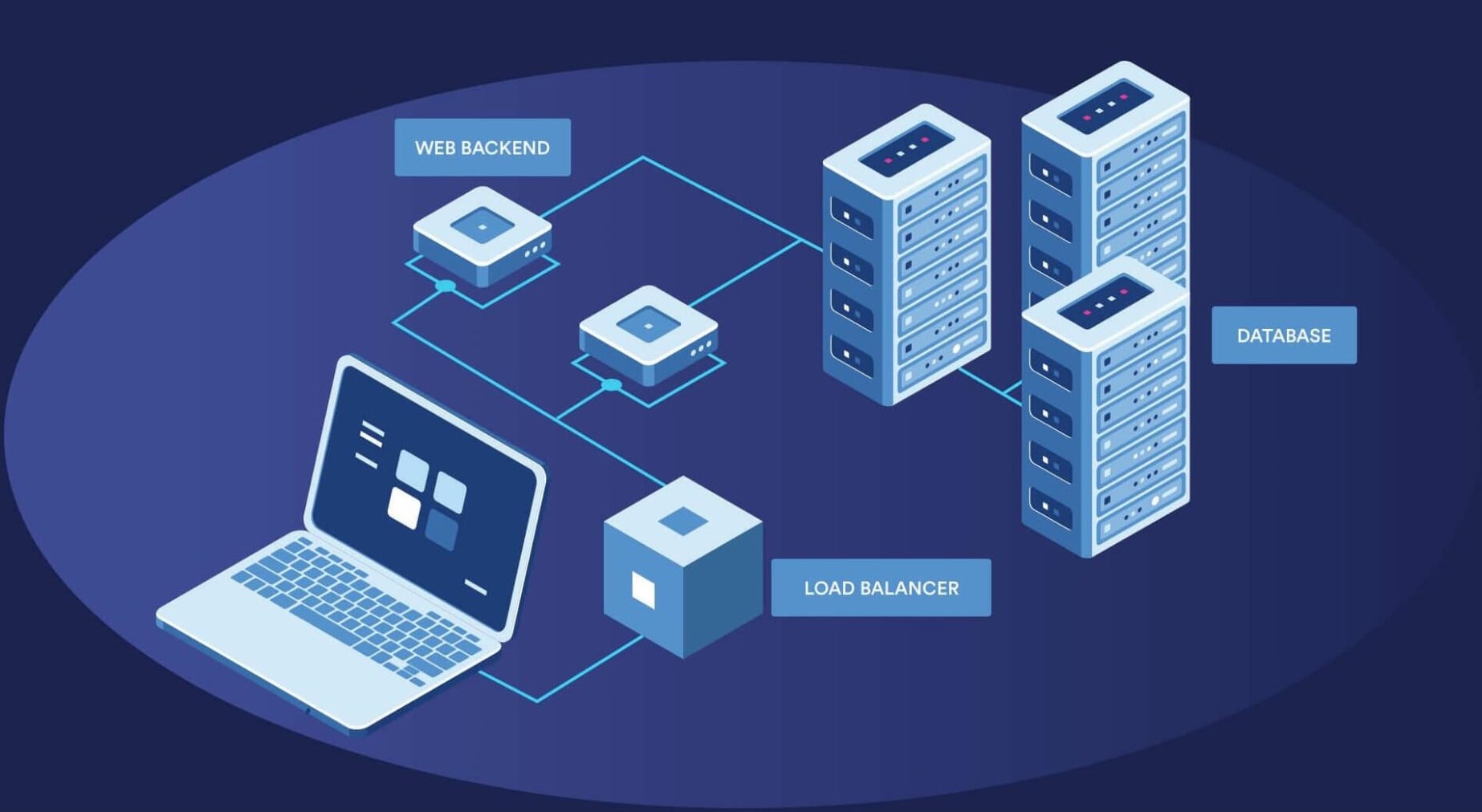
A load balanced server setup uses a load balancer—hardware, software, or cloud-based—to route client requests to the most appropriate server based on predefined algorithms. Instead of relying on one server, traffic is spread across a pool of servers, reducing latency and preventing downtime.
How Load Balancing Works
- Client Request: A user sends a request to access an application or service.
- Load Balancer Intercepts: The load balancer receives the request first.
- Traffic Distribution: Based on rules or algorithms, the request is forwarded to an available backend server.
- Response Handling: The selected server processes the request and sends the response back through the load balancer to the client.
Types of Load Balanced Servers
- Hardware Load Balancers – Dedicated physical devices optimized for high performance and low latency. Commonly used in large enterprise data centers.
- Software Load Balancers – Applications such as NGINX, HAProxy, or Apache that run on standard servers. They offer flexibility and cost efficiency.
- Cloud Load Balancers – Managed services provided by cloud platforms (e.g., AWS Elastic Load Balancing, Azure Load Balancer, Google Cloud Load Balancing) that automatically scale and integrate with cloud-native services.
Load Balancing Algorithms
- Round Robin: Distributes requests sequentially across servers.
- Least Connections: Sends traffic to the server with the fewest active connections.
- IP Hash: Routes requests based on client IP address for session persistence.
- Weighted Algorithms: Assigns more traffic to higher-capacity servers.
Some Key Benefits
- Improved Performance – Traffic distribution reduces response time and prevents bottlenecks during peak usage.
- High Availability – If one server fails, traffic is automatically redirected to healthy servers, minimizing downtime.
- Scalability – New servers can be added or removed dynamically without service interruption.
- Enhanced Security – Load balancers can help mitigate DDoS attacks, hide backend server details, and integrate with SSL/TLS termination.
Common Use Cases
- High-traffic websites and eCommerce platforms
- SaaS and cloud-native applications
- APIs and microservices architectures
- Enterprise applications requiring 24/7 uptime
Best Practices for Load Balanced Server Deployment
- Implement health checks to detect and remove unhealthy servers.
- Use redundant load balancers to avoid single points of failure.
- Enable SSL termination at the load balancer for better performance.
- Monitor traffic and performance metrics continuously.
- Combine load balancing with auto-scaling for elastic workloads.
Load Balanced Server vs Single Server
| Feature | Load Balanced Server | Single Server |
|---|---|---|
| Performance | High, distributed load | Limited by one machine |
| Availability | Fault-tolerant | Single point of failure |
| Scalability | Horizontal scaling | Difficult and costly |
| Reliability | Enterprise-grade | Low for critical apps |
Conclusion
A load balanced server architecture is foundational for building fast, reliable, and scalable digital services. Whether deployed on-premises, in the cloud, or in a hybrid environment, load balancing ensures optimal resource utilization and a consistent user experience. For organizations aiming to support growth and maintain high availability, implementing a load balanced server is no longer optional – it is essential.