Retransmission Explained: How It Works in Networks and Broadcasting
Retransmission is the process of sending information again after the original delivery fails, is incomplete, or needs to reach a new audience. The term is most common in computer networking, where data packets are resent after being lost or corrupted. It is also used in broadcasting, where a program or signal is transmitted again through another channel, service, or region. In both cases, retransmission helps make communication more reliable. Whether you are loading a website, joining a video call, or watching a television program through a partner network, retransmission ensures the intended content has another chance to arrive.
What Is Retransmission?
A retransmission occurs when a sender repeats a transmission. The reason may be a technical error, a missing acknowledgment, poor signal quality, or a planned redistribution of content.
For example, in a computer network, a device may resend a packet if it does not receive confirmation that the packet arrived. In broadcasting, a television station may retransmit a live event so viewers in another location can watch it. The overall goal is simple: improve reach, accuracy, and reliability.
How Retransmission Works in Computer Networks
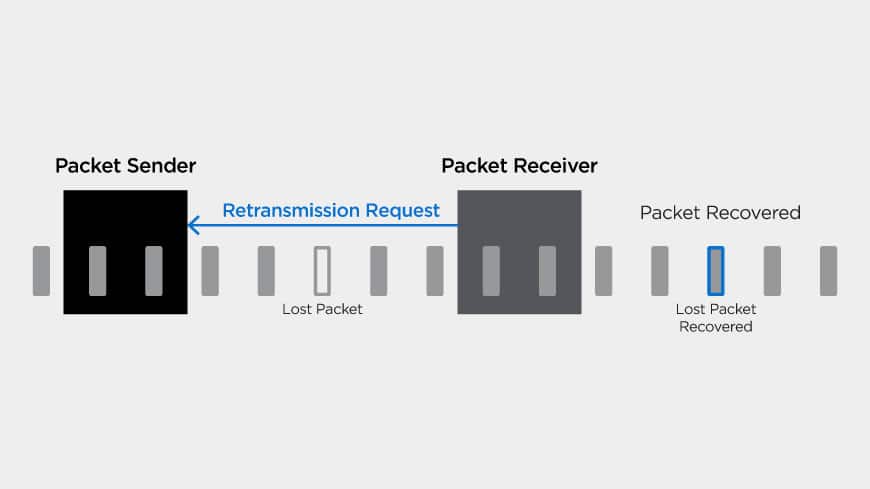
Data sent across a network is divided into small units called packets. These packets do not always arrive successfully. Network congestion, wireless interference, faulty hardware, or unstable connections can cause packets to be delayed, lost, duplicated, or damaged.
When a protocol detects a problem, it can request or perform a retransmission.
TCP Retransmission
Transmission Control Protocol (TCP) is designed to deliver data reliably. It uses acknowledgments to confirm that packets reached their destination. If the sender does not receive an acknowledgment within a specified time, it assumes the packet may have been lost and sends it again. TCP may also trigger retransmission after receiving repeated acknowledgments that suggest a packet is missing.
This approach is important for activities where complete, accurate data matters, including:
- Loading web pages
- Sending emails
- Downloading files
- Processing online payments
- Accessing cloud applications
UDP and Retransmission
User Datagram Protocol (UDP) is faster and lighter than TCP, but it does not provide retransmission automatically. Applications using UDP must decide whether reliability is necessary and, if so, build their own recovery process.
This is common in real-time services such as online gaming, voice calls, and live streaming. In these situations, receiving slightly delayed information may be less useful than receiving the newest information quickly.
Why Does It Matter?
Retransmission protects the quality of digital communication. Without it, missing data could cause broken downloads, incomplete web pages, failed transactions, and unreliable software. However, retransmission also has a cost. Every resent packet uses additional bandwidth and can increase latency. A high retransmission rate is often a sign that a network needs attention.
Common causes include:
- Weak Wi-Fi signals
- Network congestion
- Packet loss
- Outdated or failing network hardware
- Incorrect network configuration
- Internet service provider issues
- Long-distance or unstable connections
For businesses, excessive retransmissions can affect user experience, application performance, and customer satisfaction.
Retransmission in Broadcasting
In broadcasting, retransmission refers to sending previously transmitted content or signals again. A broadcaster may retransmit programming through cable, satellite, streaming platforms, local affiliates, or regional networks.
Examples include:
- A local station carrying a national news broadcast
- A cable provider distributing a television channel
- A streaming service replaying a live sports event
- A radio network sharing programming with affiliate stations
Broadcast retransmission often involves licensing agreements, distribution rights, and technical standards. Broadcasters and distributors must ensure they have permission to retransmit protected content.
Retransmission vs. Transmission
Transmission is the original act of sending information from one point to another. Retransmission is the act of sending it again.
For example, when a server sends data to your browser, that is a transmission. If some of the data is lost and the server sends it again, that is a retransmission.
In broadcasting, a live event sent by the original network is a transmission. When an affiliate station carries the same event to its local audience, it is a retransmission.
How to Reduce Network Retransmissions
Some retransmissions are normal, especially on busy or wireless networks. Consistently high levels, however, may indicate a problem.
To reduce unnecessary retransmissions:
- Improve Wi-Fi coverage and minimize interference.
- Upgrade outdated routers, switches, and network cables.
- Monitor packet loss, latency, and congestion.
- Prioritize critical traffic with quality-of-service settings.
- Use reliable internet connections for business-critical applications.
- Review server, firewall, and protocol configurations.
- Test network performance during peak usage periods.
Network monitoring tools can help teams identify where packet loss begins and whether the issue is local, internal, or related to an external provider.
Final Thoughts
Retransmission is an essential part of dependable communication. In networking, it helps ensure data arrives correctly. In broadcasting, it helps content reach wider audiences. Understanding retransmission can help organizations diagnose network problems, improve digital experiences, and manage content distribution more effectively.