Secure Socket Tunneling Protocol (SSTP): A Complete Guide for Secure VPN Connectivity
Introduction to Secure Socket Tunneling Protocol
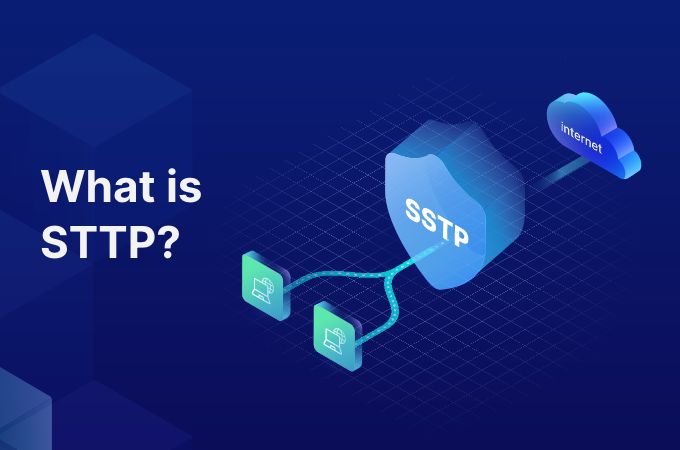
Secure Socket Tunneling Protocol (SSTP) is a VPN tunneling protocol developed by Microsoft to provide secure, encrypted communication over public networks such as the Internet. SSTP encapsulates Point-to-Point Protocol (PPP) traffic over HTTPS, using SSL/TLS encryption on TCP port 443. This design allows SSTP to bypass most firewalls and network restrictions while maintaining a high level of security.
Due to its strong encryption and compatibility with restrictive networks, SSTP is widely used in enterprise VPN deployments and remote access solutions.
How Secure Socket Tunneling Protocol Works
SSTP operates by establishing an HTTPS connection between a client and a VPN server. The key steps include:
- TLS Handshake – The client and server authenticate each other using digital certificates.
- Encrypted Tunnel Creation – A secure SSL/TLS tunnel is established over TCP port 443.
- PPP Traffic Encapsulation – Network traffic is encapsulated within the encrypted tunnel.
- Secure Data Transmission – All data passing through the tunnel is protected from interception and tampering.
Because SSTP uses HTTPS, it blends with normal web traffic, making it difficult for firewalls or deep packet inspection systems to block.
Key Features of Secure Socket Tunneling Protocol
- Strong Encryption: Uses SSL/TLS with modern cryptographic algorithms.
- Firewall and NAT Traversal: Operates over TCP port 443, commonly open on most networks.
- Certificate-Based Authentication: Supports robust identity verification.
- Native Windows Support: Built directly into modern Windows operating systems.
- Reliable Connectivity: TCP-based transport ensures stable connections in high-latency environments.
Advantages of SSTP
- High Security – SSTP leverages SSL/TLS, the same technology used to secure online banking and e-commerce, providing confidentiality, integrity, and authentication.
- Excellent Firewall Bypass Capability – Because it uses HTTPS, SSTP can function in environments where other VPN protocols are blocked.
- Seamless Windows Integration – SSTP is natively supported on Windows, reducing configuration complexity for enterprises using Microsoft ecosystems.
- Certificate-Based Trust Model – Digital certificates help prevent man-in-the-middle attacks and unauthorized access.
Limitations of Secure Socket Tunneling Protocol
- Platform Dependency: Native support is primarily limited to Windows; other platforms require third-party clients.
- Closed Specification: SSTP is proprietary, leading to less community auditing compared to open protocols.
- TCP-over-TCP Performance Issues: Encapsulating TCP traffic within TCP can reduce performance under packet loss conditions.
SSTP vs Other VPN Protocols
| Protocol | Security | Firewall Bypass | Performance | Platform Support |
|---|---|---|---|---|
| SSTP | Very High | Excellent | Moderate | Mostly Windows |
| OpenVPN | Very High | High | High | Cross-platform |
| L2TP/IPsec | High | Moderate | Moderate | Broad |
| PPTP | Low | High | High | Broad (Not recommended) |
SSTP is often chosen when firewall traversal and security are higher priorities than raw performance.
Common Use Cases for Secure Socket Tunneling Protocol
- Enterprise Remote Access VPNs
- Secure Connections from Restricted Networks
- Corporate Environments Using Windows Infrastructure
- Government or Compliance-Driven Deployments
Security Best Practices for SSTP Deployment
- Use strong TLS configurations and disable outdated protocols.
- Implement trusted certificate authorities for authentication.
- Regularly update VPN servers to patch vulnerabilities.
- Combine SSTP with multi-factor authentication (MFA).
- Monitor and log VPN connections for anomaly detection.
Is Secure Socket Tunneling Protocol Still Relevant?
Yes. While newer protocols like WireGuard and OpenVPN offer performance and openness advantages, SSTP remains relevant in scenarios where firewall evasion, HTTPS-based tunneling, and native Windows support are critical requirements.
Conclusion
Secure Socket Tunneling Protocol is a robust and secure VPN protocol designed for environments that demand strong encryption and reliable firewall traversal. Although it is best suited for Windows-centric infrastructures, SSTP remains a valuable option for enterprises and organizations requiring dependable, HTTPS-based VPN connectivity. By understanding its strengths, limitations, and best practices, organizations can effectively deploy SSTP as part of a comprehensive network security strategy.