Stable IP: The Backbone of Reliable Connectivity
What is a Stable IP?
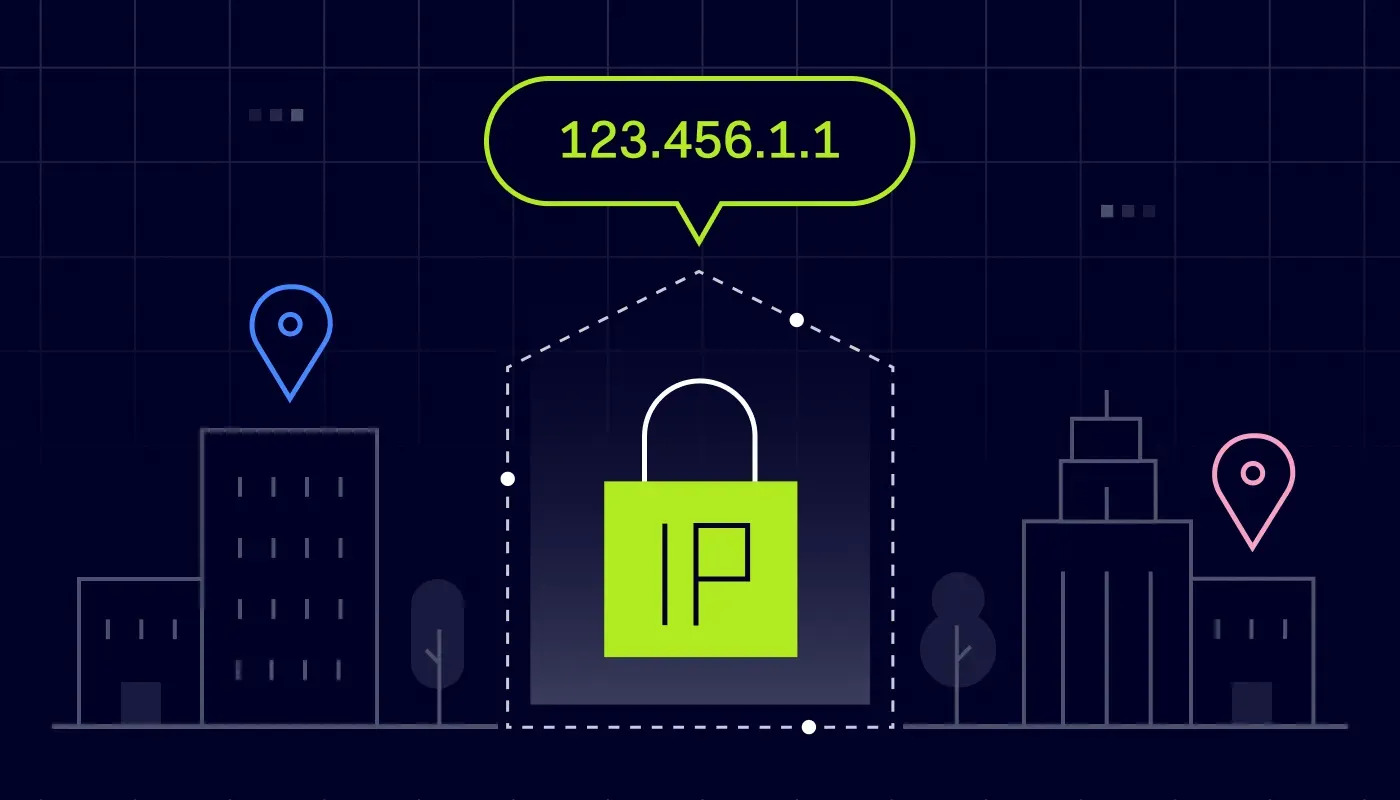
A Stable IP (also known as a static or persistent IP) is an Internet Protocol address that does not change over time. Unlike dynamic IP addresses, which are automatically assigned by an ISP and may shift periodically, a stable IP remains fixed to a specific device, server, or network. This stability makes it easier for businesses, applications, and users to maintain consistent connections, improve accessibility, and strengthen online security.
Why Stable IPs Matter
Stable IPs are widely used across networking, hosting, and enterprise environments. Here’s why they’re so important:
Consistent Accessibility
- Websites and servers using stable IPs can be accessed without disruption.
- Remote teams and clients always connect through the same IP address, ensuring reliability.
Improved Security
- Easier to whitelist IPs for firewalls, VPNs, and databases.
- Reduces risks of unauthorized access compared to dynamic IPs.
Better for Hosting
- Essential for running web servers, email servers, or FTP services.
- Guarantees that DNS records remain accurate and uninterrupted.
Enhanced Performance in Business Applications
- Facilitates smoother VoIP calls, video conferencing, and real-time data exchange.
- Supports stable proxy and VPN configurations.
Key Use Cases
- Web Hosting: Hosting websites and applications without DNS propagation issues.
- Remote Work: Secure remote desktop access via fixed IP whitelisting.
- Enterprise Networks: Managing VPNs, firewalls, and corporate infrastructure.
- IoT Devices: Ensuring uninterrupted communication between smart devices.
- Financial Services: Stable IPs reduce latency and provide consistent access for trading platforms.
Stable IP vs Dynamic IP
| Feature | Stable IP (Static) | Dynamic IP |
|---|---|---|
| Consistency | Always the same | Changes periodically |
| Security | Easier to secure/whitelist | Harder to control |
| Cost | Usually higher | Usually lower |
| Best For | Businesses, hosting, VPNs | General browsing, home use |
Conclusion
A stable IP address is more than just a number – it’s the foundation of reliability in modern networking. From hosting websites to securing enterprise networks, stable IPs ensure consistent performance, higher security, and seamless connectivity. For businesses and individuals requiring dependable access, investing in a stable IP is a step toward better control and trust in the digital landscape.