What Are Static Residential Proxies?
What Are Static Residential Proxies?
A static residential proxy is an IP address assigned by an Internet Service Provider (ISP) to a physical location, but it remains unchanging (static) over time. Unlike rotating residential proxies that constantly switch IPs, static proxies give users the reliability of a consistent residential IP with the authenticity of being tied to a real household connection.
This makes static residential proxies ideal for use cases where stability, trustworthiness, and continuity are crucial.
How Do Static Residential Proxies Work?
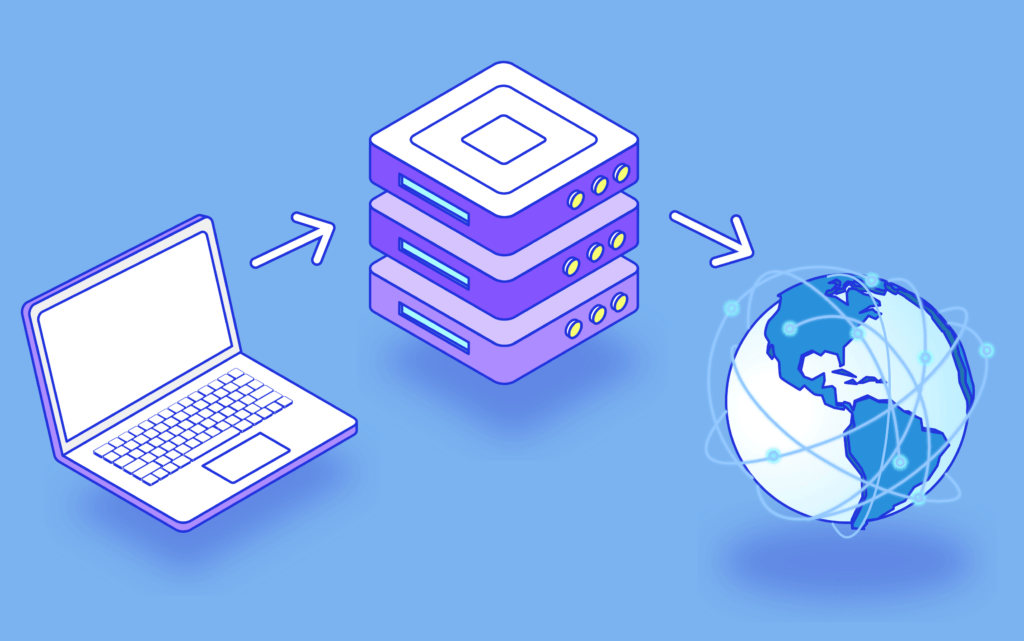
When you connect through a static residential proxy, your traffic is routed through an ISP-issued IP address. Websites see you as a real user from a genuine location, making detection and blocking much harder. Since the IP remains constant, it avoids the disruptions that rotating proxies can sometimes cause.
Benefits of Static Residential Proxies
- Stability and Reliability – Because the IP address doesn’t change, applications that require long-term sessions – like managing social media accounts or web scraping with session cookies – work seamlessly.
- High Anonymity – Websites see the proxy as a legitimate user with a real residential ISP connection, which reduces the risk of being flagged or banned.
- Improved Access to Geo-Restricted Content – Static residential proxies allow consistent access to region-locked websites, streaming platforms, and localized services.
- Better Success Rate for Automation – Bots, crawlers, and automation tools perform better when they connect from stable IPs that mimic human browsing patterns.
Common Use Cases
- E-commerce monitoring: Track competitor prices, promotions, and stock availability.
- Social media management: Run multiple accounts safely without triggering platform bans.
- Ad verification: Ensure that ads are being displayed correctly in targeted regions.
- Market research: Gather geo-specific insights from local search engines and websites.
- Web scraping: Extract large volumes of data while maintaining stable sessions.
Static Residential vs. Rotating Residential Proxies
| Feature | Static Residential Proxies | Rotating Residential Proxies |
|---|---|---|
| IP Consistency | Same IP address | Frequently changes |
| Best Use Case | Long-term sessions, account management | Large-scale scraping, anonymity |
| Risk of Detection | Very low | Low (but rotating may disrupt sessions) |
| Performance | Stable, reliable | Flexible, diverse |
Both options are valuable, but static proxies excel in tasks where consistency is more important than constant anonymity.
Choosing the Right Static Residential Proxy Provider
When selecting a proxy service, consider:
- ISP authenticity – Ensure the IPs are genuine residential addresses.
- Uptime and reliability – Look for providers with high uptime guarantees.
- Geo-targeting options – Choose providers that offer IPs from multiple regions.
- Scalability – Verify the service can handle your growing business needs.
- Customer support – Responsive support is vital for resolving issues quickly.
Conclusion
Static residential proxies combine the authenticity of residential IPs with the reliability of static connections. They are a powerful tool for businesses and individuals seeking secure browsing, stable automation, and trustworthy geo-targeted access. By choosing the right proxy provider, you can unlock opportunities for data collection, competitive intelligence, and secure digital operations – without the risk of detection.