What Is a Data API?
In today’s data-driven world, seamless access to information is crucial. Whether you’re building web apps, powering analytics dashboards, or integrating multiple cloud services, Data APIs have become the backbone of modern digital ecosystems. In this article, we’ll explore what a Data API is, how it works, its key benefits, popular use cases, and best practices for secure and scalable implementation.
What Is a Data API?
A Data API (Application Programming Interface) is a standardized interface that allows software applications to access, retrieve, create, update, or delete data from a database, data warehouse, or external data source – usually over the internet.
Unlike traditional database queries that require direct connections (e.g., via SQL clients), a Data API provides a secure, abstracted, and programmable layer between the client application and the underlying data.
Example:
Instead of connecting directly to a SQL database, a client can send a request to:
The API responds with structured JSON data, making integration easy across platforms, languages, and environments.
How a Data API Works
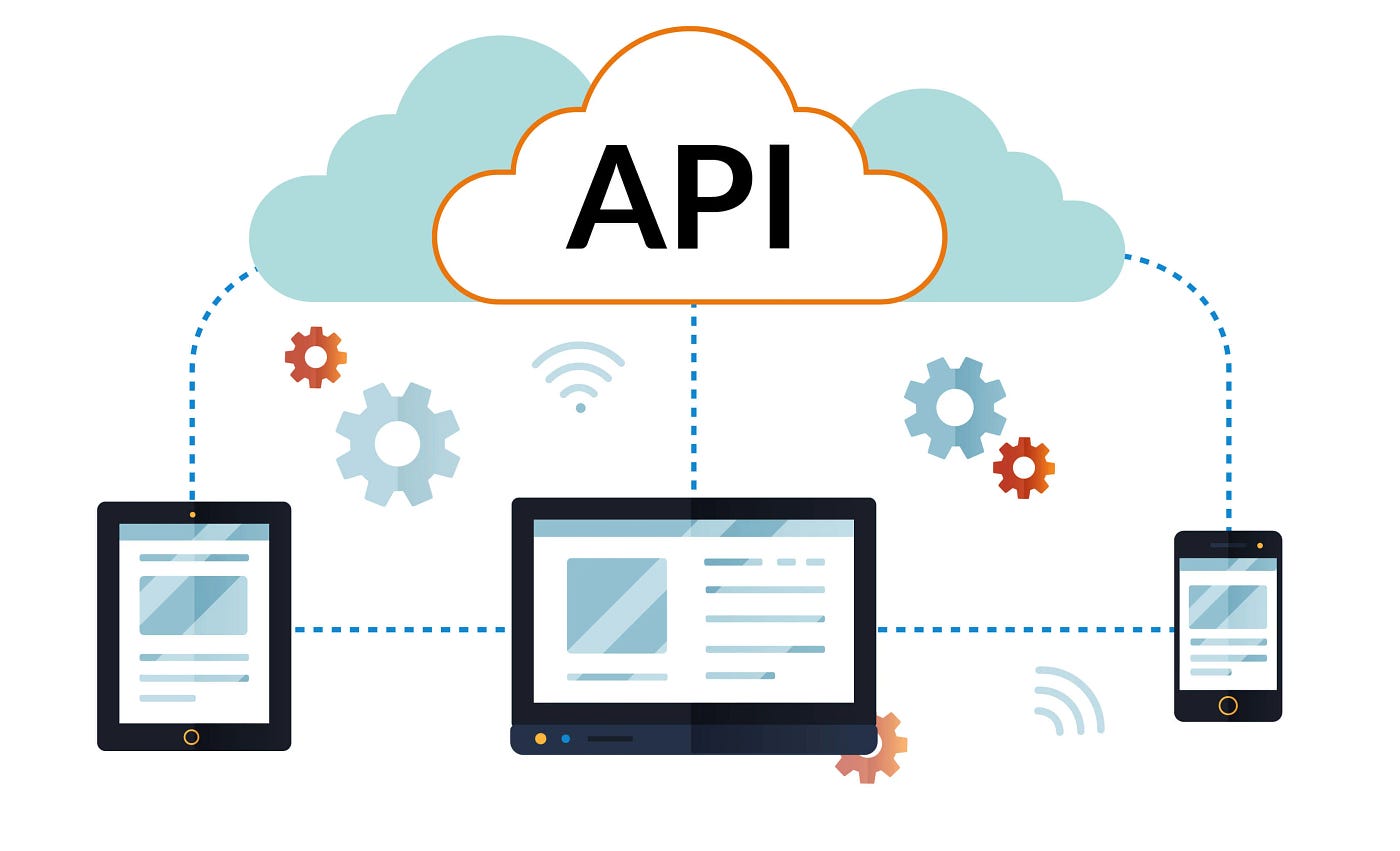
Data APIs follow a request-response model, typically using HTTP/HTTPS protocols. Here’s a simplified flow:
- Client sends a request → (e.g., GET, POST, PUT, DELETE).
- API Gateway or Server processes the request and applies authentication, validation, or business logic.
- The API interacts with the data source (e.g., a relational database, NoSQL, data lake, or SaaS).
- Response is returned in a structured format like JSON, XML, or CSV.
Most modern Data APIs follow RESTful or GraphQL conventions, while some use gRPC for higher performance in distributed systems.
Key Benefits of Using Data APIs
- Security and Abstraction – Data APIs protect the underlying data sources by exposing only the required endpoints and applying authentication, authorization, and rate limiting.
- Interoperability – Applications written in different programming languages can communicate through standardized API calls.
- Scalability – APIs can handle thousands of requests simultaneously through load balancing, caching, and cloud infrastructure.
- Faster Development – Developers can consume APIs without worrying about direct database connections, drivers, or complex schema details.
- Centralized Governance – Enterprises can manage access policies, versioning, and data governance through a single API layer.
Common Use Cases of Data APIs
- Web & Mobile Applications – Fetching user data, product catalogs, or analytics.
- Business Intelligence (BI) – Integrating APIs with Power BI, Tableau, or Looker for real-time dashboards.
- Data Integration – Syncing data between SaaS apps, CRMs, and internal systems.
- IoT & Edge Computing – Streaming sensor data to centralized systems for analysis.
- Machine Learning Pipelines – Accessing large datasets for model training through API endpoints.
Best Practices for Building Secure & Scalable Data APIs
- Use HTTPS for encrypted communication.
- Authenticate and Authorize via tokens (OAuth 2.0, API keys, JWT).
- Rate Limit & Throttle to protect against abuse.
- Paginate Responses to handle large datasets efficiently.
- Version Your APIs (e.g.,
/v1/,/v2/) to avoid breaking changes. - Log and monitor API activity for auditing and performance tuning.
- Implement Caching (e.g., CDN or Redis) to reduce load and latency.
Popular Data API Platforms and Tools
- Google Cloud Data API – For accessing BigQuery, Analytics, or Google Sheets programmatically.
- AWS Data Exchange & API Gateway – For securely exposing data services at scale.
- Microsoft Graph API – To access Microsoft 365 and Azure AD data.
- Supabase/Hasura – Tools that automatically generate REST/GraphQL APIs from Postgres databases.
- Airtable API & Notion API – For no-code/low-code integrations.
Conclusion
Data APIs are the glue that connects modern applications to the data they need, when they need it. By abstracting away database complexity, ensuring security, and enabling interoperability, Data APIs power everything from simple web apps to enterprise-grade data platforms. Whether you’re a developer, data engineer, or business leader, understanding Data APIs is essential for building scalable and connected systems in today’s digital landscape.