What Is a Regional Data Center?
What Is a Regional Data Center?
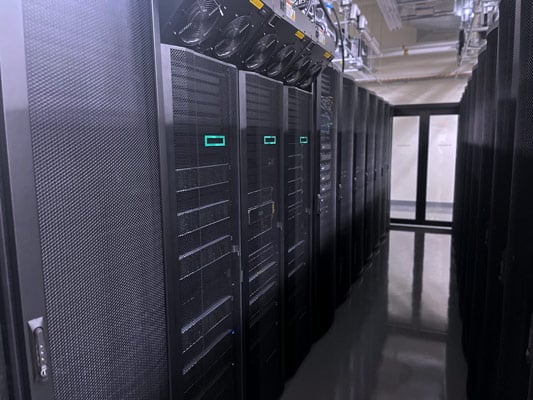
A regional data center is a physical facility that hosts computing resources such as servers, storage systems, and networking equipment to serve users within a specific geographic region. Unlike hyperscale or global data centers that operate across multiple continents, regional data centers are designed to deliver low-latency access, data residency compliance, and localized reliability for businesses and organizations operating in a defined area.
Regional data centers play a critical role in today’s distributed IT landscape, supporting cloud services, edge computing, and regional digital transformation initiatives.
Why Does It Matter?
As enterprises expand globally while serving local markets, regional data centers provide a balanced approach between centralized cloud infrastructure and on-premises deployments.
Key reasons they matter include:
- Reduced latency for end users within the region
- Compliance with data sovereignty laws
- Improved application performance
- Business continuity and disaster recovery
- Support for edge and hybrid cloud architectures
Key Benefits of Regional Data Centers
1. Low Latency and High Performance
By placing infrastructure closer to users, regional data centers significantly reduce network latency. This is essential for:
- Real-time applications
- Online gaming and streaming
- Financial trading platforms
- SaaS and cloud-native applications
2. Data Residency and Regulatory Compliance
Many countries and regions enforce strict regulations on where data can be stored and processed. Regional data centers help organizations comply with:
- GDPR and regional privacy laws
- Industry-specific regulations (finance, healthcare, government)
- National data localization requirements
3. Enhanced Reliability and Resilience
Regional data centers often act as redundant nodes within a broader infrastructure strategy. They enable:
- Geographic redundancy
- Faster disaster recovery
- Reduced dependency on a single global data center
4. Cost Optimization
Compared to hyperscale facilities, regional data centers can offer:
- Lower bandwidth costs for local traffic
- Optimized colocation pricing
- Reduced need for expensive long-haul connectivity
Regional Data Center vs Hyperscale Data Center
| Feature | Regional Data Center | Hyperscale Data Center |
|---|---|---|
| Geographic Scope | Regional / Local | Global |
| Latency | Very low (local users) | Higher for distant users |
| Compliance | Strong data residency support | Limited localization |
| Scalability | Moderate to high | Massive scale |
| Use Cases | Local cloud, DR, edge | Global cloud platforms |
Common Use Cases of Regional Data Centers
Regional data centers are widely used across industries:
- Cloud service providers offering localized cloud regions
- Enterprises running hybrid or multi-cloud environments
- Telecommunications and 5G infrastructure
- Content delivery and streaming platforms
- Government and public sector IT systems
They also serve as foundational infrastructure for edge computing, where data is processed closer to the source.
Regional Data Centers and Edge Computing
Regional data centers often act as aggregation points between edge locations and central cloud environments. In this role, they:
- Process and store regional data
- Reduce backhaul traffic to core data centers
- Support IoT, AI, and real-time analytics workloads
This architecture enables faster insights and more responsive digital services.
Key Design Considerations
When building or selecting a regional data center, organizations should evaluate:
- Location proximity to users
- Power availability and energy efficiency
- Network connectivity and carrier diversity
- Security and physical access controls
- Scalability and future expansion potential
Sustainability is also becoming a major factor, with many regional data centers adopting green energy and efficient cooling technologies.
Future Trends in Regional Data Centers
The demand for regional data centers continues to grow, driven by:
- Expansion of cloud regions worldwide
- Stricter data protection regulations
- Growth of edge computing and 5G
- Increasing adoption of AI and data-intensive workloads
In the coming years, regional data centers will become even more interconnected, forming distributed, resilient digital ecosystems.
Conclusion
A regional data center is a vital component of modern IT infrastructure, bridging the gap between global cloud platforms and local user demands. By offering low latency, regulatory compliance, and operational resilience, regional data centers empower businesses to deliver faster, safer, and more reliable digital services.
For organizations seeking to optimize performance while meeting regional requirements, investing in or leveraging regional data centers is no longer optional – it is a strategic necessity.