What is an Application Load Balancer?
In today’s fast-paced digital landscape, ensuring your applications remain highly available, scalable, and responsive is crucial for user satisfaction. An Application Load Balancer (ALB) plays a vital role in distributing incoming traffic across multiple servers, improving performance, and ensuring reliability. Whether you’re running a small web app or a complex enterprise system, understanding ALBs can help you deliver a seamless experience to your users.
What is an Application Load Balancer?
An Application Load Balancer is a type of load balancer that operates at Layer 7 (Application Layer) of the OSI model. It intelligently routes requests based on content, such as URL paths, HTTP headers, or request parameters, rather than just IP addresses and ports. Unlike traditional load balancers that primarily work at the transport layer (Layer 4), an ALB can make routing decisions based on the specifics of the request, allowing for advanced traffic management and content-based routing.
How an Application Load Balancer Works
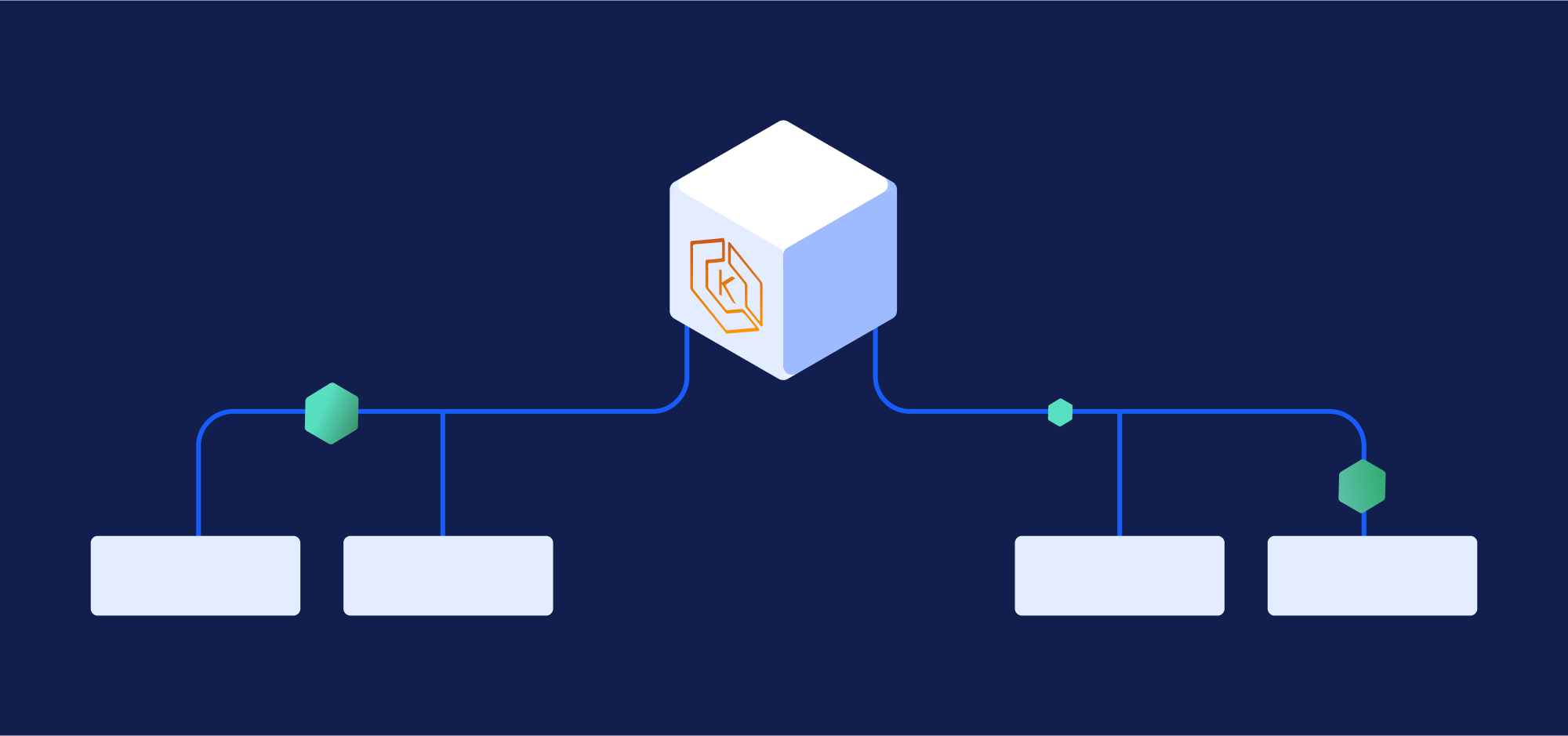
An ALB analyzes incoming HTTP and HTTPS requests and directs them to the appropriate target (such as a web server, application server, or container) based on predefined rules. Here’s a simplified process:
- Client Request → The client sends an HTTP/HTTPS request to your domain.
- Load Balancer Evaluation → The ALB inspects the request headers, URL, or cookies.
- Routing Decision → Based on rules, the request is forwarded to the right target group.
- Response Delivery → The server processes the request and sends the response back through the ALB to the client.
Key Features of an Application Load Balancer
- Content-Based Routing – Directs requests based on URL paths, hostnames, or query parameters.
- SSL Termination – Offloads the SSL decryption process, reducing the load on backend servers.
- Health Checks – Continuously monitors the status of targets to ensure traffic is sent only to healthy instances.
- WebSocket Support – Maintains persistent connections for real-time applications.
- HTTP/2 and gRPC Support – Enhances performance for modern web applications.
- Advanced Security Integration – Works with firewalls, WAFs (Web Application Firewalls), and authentication systems.
Benefits of Using an Application Load Balancer
- Improved Performance – Distributes traffic evenly to prevent server overload.
- High Availability – Automatically reroutes traffic if a server fails.
- Scalability – Easily handle sudden spikes in traffic by adding more servers.
- Enhanced Security – Supports SSL offloading and integrates with security tools.
- Better User Experience – Reduces latency and improves response times.
Common Use Cases
- Microservices Architecture – Routes traffic to different services based on path-based rules.
- Multi-Tenant Applications – Directs requests for different customers to separate infrastructure.
- API Gateways – Serves as a routing layer for REST and gRPC APIs.
- Content Delivery – Optimizes routing for applications with dynamic content.
Application Load Balancer vs. Network Load Balancer
| Feature | Application Load Balancer | Network Load Balancer |
|---|---|---|
| OSI Layer | Layer 7 | Layer 4 |
| Routing | Content-based | IP/Port-based |
| Protocol Support | HTTP, HTTPS, gRPC | TCP, UDP |
| Use Case | Web apps, APIs, microservices | High-performance low-latency workloads |
Best Practices for Application Load Balancer Configuration
- Define Clear Routing Rules – Use path and host-based routing to optimize traffic flow.
- Enable Health Checks – Ensure only healthy servers receive traffic.
- Leverage SSL/TLS Offloading – Improve backend performance.
- Integrate Security Layers – Use a WAF to protect against common web attacks.
- Monitor and Optimize – Track performance metrics and adjust rules as needed.
Conclusion
An Application Load Balancer is an essential tool for modern applications, providing intelligent traffic distribution, high availability, and enhanced performance. By implementing an ALB with proper routing rules and security measures, businesses can ensure a fast, reliable, and secure user experience. Whether you are deploying microservices, managing APIs, or handling high-traffic websites, integrating an ALB into your infrastructure is a step toward a more scalable and robust application environment.