What Is Cross-Region Backup?
What Is Cross-Region Backup?
Cross-region backup is a data protection strategy that involves copying and storing backups in geographically separate locations (regions). Instead of keeping backups in a single data center or cloud region, organizations replicate their data across multiple regions to ensure availability, redundancy, and disaster recovery.
This approach is widely used in modern IT infrastructures, especially in cloud environments, to protect against regional outages, natural disasters, cyberattacks, and system failures.
Why Cross-Region Backup Matters
- Protection Against Regional Failures – A single region can experience outages due to power failures, natural disasters, or network issues. Cross-region backup ensures your data remains accessible even if one region goes down.
- Enhanced Disaster Recovery (DR) – By storing backups in different geographic locations, businesses can quickly restore operations with minimal downtime.
- Compliance and Data Governance – Many industries require off-site or geographically distributed backups to meet regulatory standards such as GDPR, HIPAA, or ISO compliance.
- Improved Business Continuity – Cross-region backup ensures uninterrupted access to critical data, helping businesses maintain operations during unexpected disruptions.
How Cross-Region Backup Works
Cross-region backup typically involves:
- Data replication: Copying data from the primary region to a secondary region
- Automated synchronization: Keeping backups updated in near real-time or scheduled intervals
- Failover mechanisms: Switching operations to the backup region when needed
- Storage redundancy: Using distributed storage systems for durability
Organizations can choose between:
- Synchronous replication (real-time, low RPO, higher latency)
- Asynchronous replication (delayed, lower cost, better performance)
Some Key Benefits
- High Data Durability – Data is stored across multiple regions, reducing the risk of data loss.
- Faster Recovery Times – Enables quick restoration using pre-synced backup data in another region.
- Geographic Redundancy – Eliminates single points of failure tied to a specific location.
- Ransomware Protection – Cross-region backups (especially immutable ones) help recover clean data after attacks.
Cross-Region Backup vs Single-Region Backup
| Feature | Cross-Region Backup | Single-Region Backup |
|---|---|---|
| Data Redundancy | High | Limited |
| Disaster Recovery | Strong | Weak |
| Cost | Higher | Lower |
| Risk of Data Loss | Minimal | Higher |
| Availability | Multi-region | Region-dependent |
Best Practices for Cross-Region Backup
- Define RPO and RTO – Set clear Recovery Point Objectives (RPO) and Recovery Time Objectives (RTO) to determine backup frequency and recovery speed.
- Automate Backup Processes – Use automated tools to ensure consistent and error-free replication across regions.
- Encrypt Data in Transit and at Rest – Always secure your data with strong encryption protocols.
- Test Backup and Recovery Regularly – Conduct periodic disaster recovery drills to ensure your backups work as expected.
- Use Immutable Backups – Prevent accidental deletion or ransomware attacks by enabling immutability.
- Optimize Costs – Balance performance and cost by choosing appropriate storage tiers and replication methods.
Common Use Cases
- Cloud disaster recovery strategies
- Enterprise data protection
- Multi-region SaaS applications
- E-commerce platforms require high availability
- Financial and healthcare systems with strict compliance needs
Challenges of Cross-Region Backup
While powerful, cross-region backup comes with some challenges:
- Higher storage and transfer costs
- Increased latency for synchronous replication
- Complex configuration and management
- Compliance issues with cross-border data transfer
Proper planning and the right tools can help mitigate these challenges.
Popular Cross-Region Backup Solutions
Organizations often implement cross-region backup using:
- Cloud-native services (AWS, Azure, Google Cloud)
- Backup-as-a-Service (BaaS) platforms
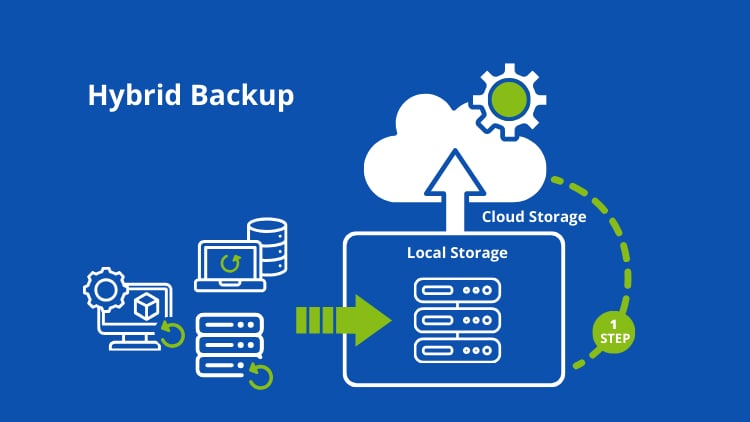
- Hybrid backup solutions combining on-premise and cloud storage
Conclusion
Cross-region backup is a critical component of modern data protection strategies. By distributing backups across multiple geographic locations, businesses can achieve high availability, strong disaster recovery capabilities, and compliance with regulatory requirements. As data continues to grow in importance, implementing a robust cross-region backup strategy is no longer optional – it’s essential for ensuring business continuity and long-term resilience.