What Is Distributed Ledger Technology?
Distributed Ledger Technology (DLT) is transforming the way organizations store, verify, and exchange data. From financial services to healthcare and supply chain management, DLT enables secure, transparent, and tamper-resistant record-keeping without relying on a central authority. In this SEO-friendly guide, we’ll explore what distributed ledger technology is, how it works, its benefits, real-world use cases, and why it is shaping the future of digital infrastructure.
What Is Distributed Ledger Technology?
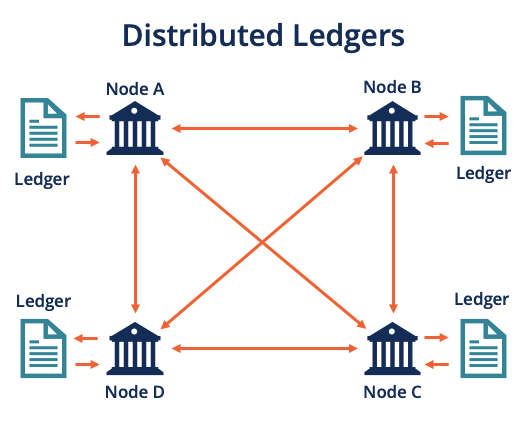
Distributed Ledger Technology (DLT) is a decentralized digital system for recording transactions across multiple computers (nodes). Unlike traditional centralized databases, DLT ensures that every participant in the network has access to the same synchronized copy of the ledger. Once data is recorded, it is extremely difficult to alter-making DLT highly secure and trustworthy. The most well-known type of DLT is blockchain, but not all DLT systems use block structures.
How Does DLT Work?
DLT operates through a network of nodes that validate and record transactions using consensus mechanisms.
Key Components of DLT:
- Distributed Network – Multiple nodes maintain identical copies of the ledger.
- Consensus Mechanism – Algorithms like Proof of Work (PoW) or Proof of Stake (PoS) validate transactions.
- Cryptography – Advanced encryption secures data.
- Immutability – Once recorded, transactions cannot easily be modified.
- Smart Contracts – Automated scripts that execute when conditions are met.
For example, networks like Bitcoin and Ethereum use blockchain-based DLT to validate and store transactions globally without central banks.
Types of Distributed Ledger Technology
1. Blockchain
Blockchain organizes records into blocks linked together in chronological order. Each block contains a cryptographic hash of the previous block, ensuring security and immutability.
Popular Blockchain Platforms:
- Bitcoin
- Ethereum
- Hyperledger
2. Directed Acyclic Graph (DAG)
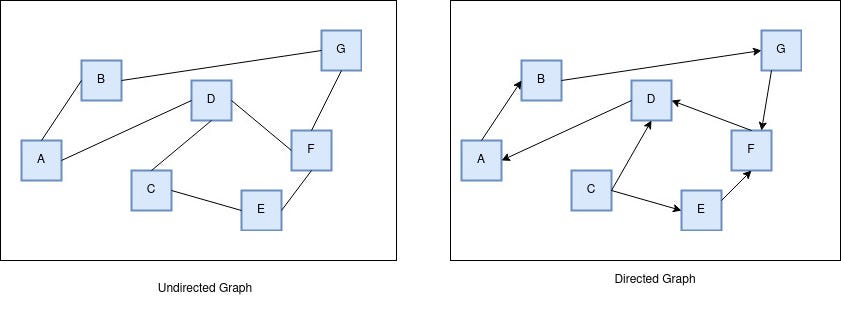
DAG-based ledgers do not use blocks. Instead, transactions confirm one another in a graph structure, improving scalability and transaction speed. A well-known example is IOTA, which uses a structure called the Tangle.
Benefits of Distributed Ledger Technology
- Decentralization – No single authority controls the ledger, reducing single points of failure.
- Enhanced Security – Cryptographic hashing and consensus mechanisms make tampering extremely difficult.
- Transparency – All participants can view transaction history (in public networks).
- Reduced Costs – Eliminates intermediaries, lowering transaction and reconciliation costs.
- Faster Transactions – Automation through smart contracts reduces processing time.
Real-World Use Cases of DLT
- Financial Services – Banks use DLT for cross-border payments, clearing, and settlement.
- Supply Chain Management – Companies track goods from origin to delivery, improving transparency and reducing fraud.
- Healthcare – DLT secures patient records and ensures interoperability between institutions.
- Government & Identity – Digital identity management systems reduce fraud and improve service efficiency.
- Energy Trading – Peer-to-peer energy exchanges use DLT for transparent microgrid management.
Distributed Ledger Technology vs Blockchain
While often used interchangeably, blockchain is just one type of DLT.
| Feature | DLT | Blockchain |
|---|---|---|
| Structure | Various (DAG, Hashgraph, etc.) | Block-based |
| Central Authority | No | No |
| Flexibility | Higher | Moderate |
| Popularity | Growing | Most recognized |
Challenges of Distributed Ledger Technology
Despite its advantages, DLT faces several challenges:
- Scalability limitations
- Regulatory uncertainty
- Energy consumption (especially PoW systems)
- Integration with legacy systems
- Governance complexity
The Future of Distributed Ledger Technology
As enterprises adopt digital transformation strategies, DLT is becoming foundational for:
- Central Bank Digital Currencies (CBDCs)
- Decentralized Finance (DeFi)
- Tokenization of assets
- Secure data sharing ecosystems
- Web3 infrastructure
Major global enterprises and governments continue to invest in DLT research and implementation, signaling strong long-term growth.
Conclusion
Distributed Ledger Technology is revolutionizing how data is stored, validated, and shared across industries. By enabling decentralization, transparency, and security, DLT reduces trust barriers and enhances operational efficiency. Whether in finance, healthcare, supply chain, or government services, DLT represents a critical innovation driving the next generation of digital systems.