What Is a Cybersecurity Framework?
In today’s digitally connected world, cyber threats are more advanced and widespread than ever before. Organizations across every industry are prioritizing cybersecurity to protect sensitive data and maintain trust. A cybersecurity framework offers a structured approach to managing and reducing cybersecurity risks. In this guide, we’ll explore what a cybersecurity framework is, why it’s essential, and which frameworks are commonly used by businesses and governments worldwide.
What Is a Cybersecurity Framework?
A cybersecurity framework is a set of guidelines, standards, and best practices that organizations use to manage cybersecurity risks. It provides a structured methodology for identifying, protecting against, detecting, responding to, and recovering from cyberattacks.
These frameworks help organizations:
- Strengthen security posture
- Achieve regulatory compliance
- Manage cybersecurity risks effectively
- Align security goals with business objectives
Why Does It Matter?
With the increasing frequency of data breaches and cyberattacks, companies can no longer afford a reactive approach to cybersecurity. Frameworks help:
- Establish a common language for cyber risk
- Guide investment in security controls
- Improve incident response and recovery time
- Ensure compliance with legal and industry regulations
Common Cybersecurity Frameworks
1. NIST Cybersecurity Framework (NIST CSF)
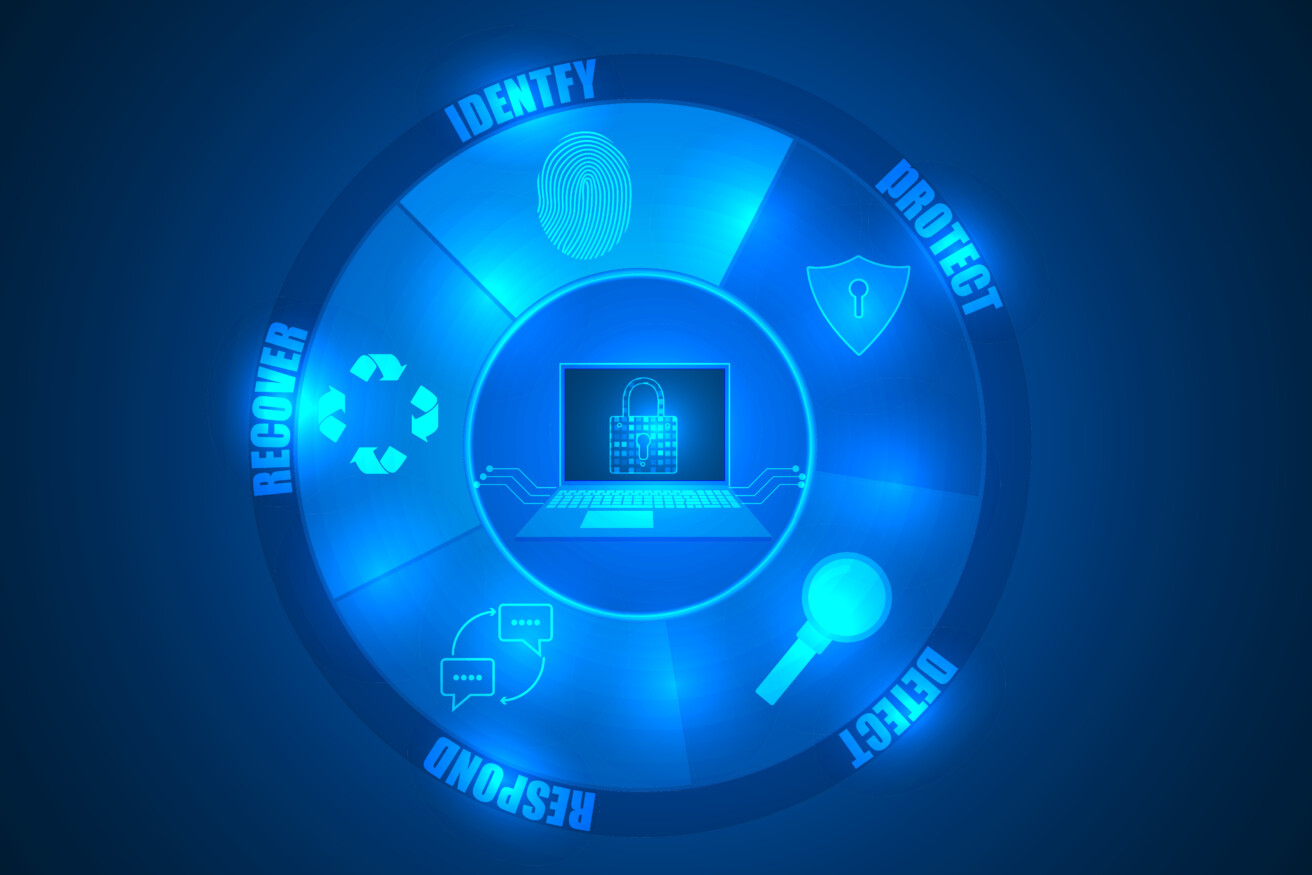
Developed by the U.S. National Institute of Standards and Technology, the NIST CSF is one of the most widely adopted frameworks. It consists of five core functions:
- Identify: Understand cybersecurity risks to systems and data
- Protect: Implement safeguards
- Detect: Identify cybersecurity events
- Respond: Take action on incidents
- Recover: Restore services after an attack
2. ISO/IEC 27001
This is an international standard for information security management systems (ISMS). It provides a systematic approach to managing sensitive company information.
3. CIS Controls
The Center for Internet Security (CIS) provides a prioritized set of actions to protect systems and data from known cyberattack vectors.
4. COBIT
The Control Objectives for Information and Related Technologies (COBIT) framework is designed for IT governance and management, aligning security with business goals.
5. PCI DSS
For organizations handling credit card data, the Payment Card Industry Data Security Standard (PCI DSS) is mandatory and ensures a secure environment.
How to Choose the Right Cybersecurity Framework
Choosing the right framework depends on:
- Industry requirements (e.g., healthcare may follow HIPAA)
- Regulatory compliance needs
- Organization size and complexity
- Geographical location and applicable laws
Many companies implement a combination of frameworks to meet diverse needs.
Benefits of Implementing a Cybersecurity Framework
- Improved risk management
- Better incident response
- Enhanced trust with stakeholders
- Regulatory compliance
- Continuous improvement of cybersecurity processes
Final Thoughts
Implementing a cybersecurity framework is not just a best practice—it’s a necessity in today’s threat landscape. Whether you’re a small business or a global enterprise, adopting a well-structured framework helps you safeguard data, maintain compliance, and build customer trust.