TCP Retransmission: How It Works, Causes, and Best Practices
In modern computer networking, reliable data delivery is essential for maintaining stable communication between devices and applications. One of the most important mechanisms that ensures reliable transmission in the Transmission Control Protocol is TCP retransmission. TCP retransmission occurs when a sender resends packets that were lost, delayed, or corrupted during transmission. This process helps maintain data integrity and guarantees that information reaches its destination correctly. While retransmission is a normal part of network communication, excessive retransmissions can lead to poor network performance, latency, and application slowdowns. This article explains TCP retransmission, how it works, common causes, detection methods, and best practices for reducing retransmission issues.
What Is TCP Retransmission?
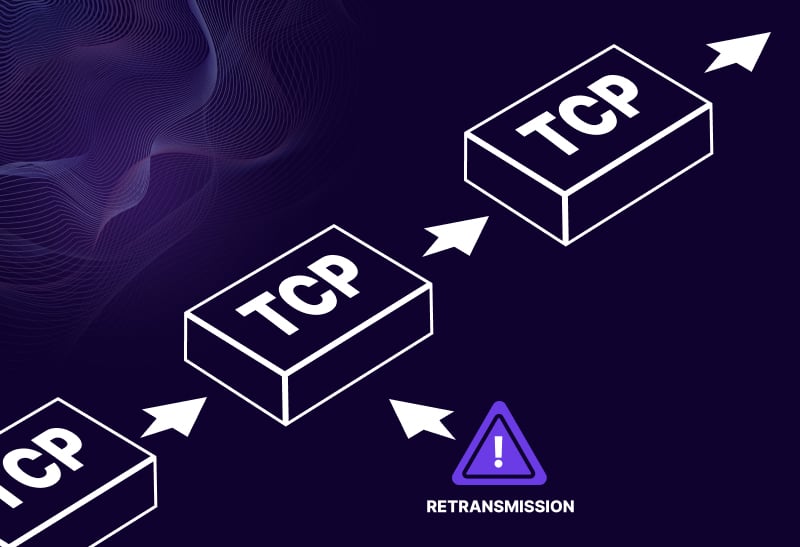
TCP retransmission is the process of resending a TCP segment when the sender does not receive an acknowledgment (ACK) from the receiving device within a specified time.
TCP is a connection-oriented protocol designed to provide:
- Reliable communication
- Ordered packet delivery
- Error checking
- Flow control
- Congestion control
If packets are lost during transmission, TCP automatically retransmits them to maintain reliability.
How Does It Work?
TCP uses acknowledgments and timers to detect lost packets.
Basic Workflow
- Sender transmits a TCP segment
- The receiver sends an ACK confirming receipt
- Sender waits for the ACK
- If ACK is not received before the timeout, the sender retransmits the packet
This mechanism ensures that all data eventually reaches the receiver.
TCP Retransmission Timeout (RTO)
The Retransmission Timeout (RTO) determines how long the sender waits before retransmitting data.
The simplified concept is:
RTO=SRTT+4×RTTVARRTO = SRTT + 4 \times RTTVAR
Where:
- SRTT = Smoothed Round-Trip Time
- RTTVAR = Round-Trip Time variation
TCP dynamically adjusts the RTO value based on current network conditions.
Types of TCP Retransmission
1. Timeout-Based Retransmission
This occurs when the retransmission timer expires before receiving an ACK.
Characteristics:
- Traditional retransmission method
- Higher latency
- Used when packet loss is severe
2. Fast Retransmission
TCP can retransmit packets before timeout occurs using duplicate ACKs.
When the sender receives three duplicate ACKs:
- TCP assumes packet loss
- The missing segment is retransmitted immediately
Fast retransmission improves performance and reduces delays.
3. Selective Retransmission
With Selective Acknowledgment (SACK), TCP retransmits only missing segments instead of the entire transmission window.
Benefits include:
- Reduced bandwidth usage
- Faster recovery
- Improved efficiency on high-latency networks
Some Common Causes
Several network issues can trigger retransmissions.
Network Congestion
Heavy traffic can overwhelm routers and switches, causing packet drops.
Symptoms:
- Increased latency
- Slow application response
- High retransmission rates
Packet Loss
Packet loss may occur because of:
- Faulty cables
- Wireless interference
- Hardware failures
- Overloaded devices
Even small packet loss percentages can significantly impact TCP performance.
High Latency
Long delays may cause ACK packets to arrive after the retransmission timer expires.
Common in:
- Satellite links
- International WAN connections
- Congested VPN tunnels
Duplex Mismatch
Improper Ethernet duplex settings can cause collisions and dropped packets.
Example:
- One device using full duplex
- Another using half duplex
This mismatch often generates retransmissions.
Faulty Network Hardware
Damaged or malfunctioning hardware may corrupt or drop packets.
Potential sources include:
- Routers
- Switches
- NICs
- Firewalls
Wireless Network Interference
Wi-Fi environments commonly experience retransmissions due to:
- Signal interference
- Weak coverage
- Channel overlap
- Physical obstacles
TCP Retransmission and Congestion Control
TCP integrates retransmission with congestion control algorithms.
Important TCP congestion mechanisms include:
- Slow Start
- Congestion Avoidance
- Fast Recovery
- Fast Retransmit
These techniques help prevent excessive network overload while maintaining reliable delivery.
Impact of TCP Retransmission
Moderate retransmission is normal, but excessive retransmission can severely affect performance.
Negative Effects:
- Increased Latency – Retransmission delays application responses and increases round-trip time.
- Reduced Throughput – Bandwidth is consumed by duplicate packets instead of new data.
- Application Performance Issues – Applications affected include: Video conferencing, VoIP, Cloud services, Online gaming, and Database replication.
- Higher CPU Utilization – Devices must process additional retransmitted packets.
How to Detect TCP Retransmission
Network administrators use several tools to identify retransmission problems.
Wireshark
Wireshark is one of the most popular packet analysis tools.
Useful filters:
tcp.analysis.retransmissionThis filter identifies retransmitted packets in packet captures.
TCPDump
tcpdump can capture traffic for offline analysis.
Example:
tcpdump -i eth0 -w capture.pcapNetstat
The netstat utility can display retransmission statistics on some operating systems.
Network Monitoring Platforms
Enterprise monitoring solutions often track:
- Packet loss
- RTT
- TCP errors
- Retransmission percentages
Acceptable TCP Retransmission Rate
A small retransmission percentage is expected in most networks.
General guidelines:
| Retransmission Rate | Network Condition |
|---|---|
| Less than 1% | Excellent |
| 1%–2% | Acceptable |
| 2%–5% | Potential issue |
| Above 5% | Serious problem |
Actual acceptable values depend on application requirements.
TCP Retransmission vs Packet Loss
Although related, they are not identical.
| TCP Retransmission | Packet Loss |
|---|---|
| Response to missing data | Actual missing packets |
| TCP protocol mechanism | Physical or logical network issue |
| Attempts recovery | Causes retransmission |
Packet loss often triggers retransmissions.
How to Reduce It?
Improve Network Capacity
Upgrade links and remove congestion bottlenecks.
Optimize Wi-Fi Networks
Best practices include:
- Proper channel planning
- Strong signal coverage
- Reduced interference
- Modern Wi-Fi standards
Enable Quality of Service (QoS)
QoS prioritizes important traffic, such as:
- Voice
- Video
- Business-critical applications
Check Hardware Health
Inspect:
- Network cables
- Switch ports
- Router interfaces
- NIC drivers
Use Selective Acknowledgment (SACK)
SACK improves retransmission efficiency by retransmitting only missing segments.
Tune TCP Settings
Operating systems allow TCP parameter optimization, including:
- Window scaling
- Buffer sizes
- Congestion control algorithms
TCP Retransmission in Cloud Environments
Cloud infrastructures frequently encounter retransmission challenges because of:
- Shared resources
- Internet variability
- Virtualized networking
- Cross-region communication
Cloud engineers often monitor retransmission metrics to maintain application reliability.
TCP Retransmission in Data Centers
Modern data centers require minimal packet loss and retransmission.
Technologies used include:
- High-speed switching
- ECN (Explicit Congestion Notification)
- Data Center TCP (DCTCP)
- Load balancing optimization
Best Practices for Managing TCP Retransmission
- Monitor Network Continuously – Use monitoring tools to track retransmission trends over time.
- Maintain Low Packet Loss – Even minor packet loss can reduce TCP efficiency.
- Upgrade Legacy Hardware – Older devices may struggle with modern traffic loads.
- Optimize WAN Links – WAN optimization appliances can reduce retransmission-related delays.
- Perform Regular Packet Analysis – Packet captures help identify recurring issues before they impact users.
Future of TCP Retransmission
As networks evolve, retransmission optimization continues improving through:
- AI-driven traffic analysis
- Advanced congestion control
- QUIC protocol adoption
- Software-defined networking (SDN)
New transport protocols aim to minimize retransmission delays while maintaining reliability.
Conclusion
TCP retransmission is a fundamental mechanism that ensures reliable communication across IP networks. By resending lost or delayed packets, TCP maintains data integrity and ordered delivery between devices. However, excessive retransmissions often indicate underlying network problems such as congestion, packet loss, hardware failures, or wireless interference. Monitoring retransmission behavior is critical for maintaining optimal network performance. Understanding TCP retransmission helps network administrators, engineers, and IT professionals troubleshoot connectivity issues, improve throughput, and build more resilient network infrastructures.